
Planning a winter trip to Iceland in 2026/ 2027? Discover everything you need to know about visiting Iceland in winter, from chasing the Northern Lights and exploring glittering ice caves to soaking in geothermal hot springs and discovering dramatic waterfalls beneath a blanket of snow.
Winter transforms Iceland into a landscape of extraordinary contrasts. Volcanic coastlines meet icy glaciers, steam rises from geothermal pools into the crisp Arctic air, and long, dark evenings create opportunities to witness the magical Aurora Borealis. Whether you are planning a short winter escape, a family adventure or a private Iceland road trip, winter offers a completely different way to experience the Land of Fire and Ice.
However, travelling around Iceland in winter requires thoughtful planning. Short daylight hours, unpredictable weather and changing road conditions mean that the best winter itineraries are flexible, realistic and tailored to the conditions.
At Gravel Travel, we believe discovering Iceland should be about more than ticking destinations off a list. With thoughtfully planned private tours, personalised itineraries and convenient private airport transfers, your winter holiday can be every bit as memorable as the landscapes themselves.
In this ultimate guide to winter in Iceland 2027, we cover the best time to visit, where to go, what to do, what to pack and how to plan a safe, unforgettable winter adventure.
Quick guide: Winter in Iceland 2027
- Best months for Northern Lights: September to early April, with darkness throughout the winter months creating viewing opportunities.
- Best winter activities: Northern Lights hunting, glacier ice caves, geothermal lagoons, waterfalls, glacier experiences and scenic sightseeing.
- Best destinations for a first visit: Reykjavík, the Golden Circle, Iceland’s South Coast and, with more time and suitable conditions, the Snæfellsnes Peninsula.
- Typical winter conditions: Cold, changeable weather, strong winds, rain, snow and icy roads are all possible.
- Daylight: Approximately 4–5 hours around the winter solstice in Reykjavík, increasing towards spring.
- Recommended trip length: Around 4–7 days for a winter introduction to Iceland; longer stays allow more flexibility and exploration.
- Best way to travel: A cosy Reykjavik stay with group day tours to explore further, a flexible self-drive itinerary or a private guided tour, depending on your driving experience in snow and ice and travel preferences.
Remember that winter conditions vary considerably by month and region. The dates of your trip, current forecasts and road conditions should all influence your final itinerary. Visit safetravel.is to plan your journey according to the conditions.
1. When is winter in Iceland? Choosing the best time to visit in 2027
Winter in Iceland generally means November through March, although wintry weather can arrive earlier and linger later. Each month offers a different balance of darkness, daylight, weather and activities.
There is no single best month to visit Iceland in winter. The right choice depends on whether you prioritise Northern Lights viewing, ice caves, Christmas festivities, photography or opportunities to explore the countryside.
Iceland in November
November marks the beginning of the darkest part of the year. Daylight is limited, but the landscapes can be spectacular, with early snow, moody coastlines and dramatic skies.
Why visit in November?
- Long evenings provide opportunities to see the Northern Lights.
- Many winter excursions operate during the month, subject to conditions and seasonal schedules.
- Reykjavík offers cosy cafés, restaurants, museums and cultural experiences.
- The South Coast’s waterfalls and black sand beaches can look particularly dramatic in winter light.
November can be an excellent choice for travellers who want a winter atmosphere without necessarily travelling during the busiest Christmas and New Year period & as it is low season prices can be cheaper.
Iceland in December
December brings festive celebrations, Christmas markets and some of the longest nights of the year.
Around the winter solstice, Reykjavík receives only a few hours of daylight. This creates an atmospheric setting for exploring the city, enjoying geothermal bathing and looking for the Northern Lights after dark.
Why visit in December?
- Experience Icelandic Christmas traditions.
- Enjoy the possibility of snow-covered landscapes.
- Take advantage of long, dark evenings for aurora hunting.
- Combine winter sightseeing with festive dining and cultural activities.
Christmas and New Year are popular travel periods, so book accommodation, transfers and specialist excursions in advance. Allow additional flexibility for weather-related changes.
Iceland in January
January is one of the darkest months in Iceland, with short days and long nights. For many visitors, this is part of the appeal.
Winter scenery can be extraordinary, from frozen-looking waterfalls to snow-covered lava fields. However, not every waterfall freezes, and snowfall is never guaranteed at a particular destination.
Why visit in January?
- Enjoy excellent opportunities for Northern Lights viewing when skies are clear.
- Explore ice caves when suitable guided tours are operating.
- Experience a quieter, atmospheric side of Iceland outside peak holiday periods.
- Relax in geothermal pools after a day outdoors.
January is also a month when severe weather can disrupt travel. A realistic itinerary with shorter driving days and alternative activities is essential.
Iceland in February
February offers a useful balance between winter darkness and increasing daylight. There is generally more time for sightseeing than in December, while evenings remain long enough for Northern Lights hunting.
Why visit in February?
- Explore the South Coast and Golden Circle during daylight.
- Visit seasonal ice caves with qualified guides.
- Enjoy winter photography and dramatic coastal scenery.
- Combine outdoor adventures with Reykjavík’s food and cultural scene.
February is a particularly good option for travellers hoping to combine several daytime excursions with evening aurora opportunities.
Iceland in March
March brings noticeably longer days while retaining winter scenery and opportunities to see the Northern Lights.
It can be a wonderful month for travellers who want more time to explore waterfalls, coastlines and volcanic landscapes without giving up the possibility of an aurora display.
Why visit in March?
- Enjoy more daylight for sightseeing and photography.
- Continue to explore seasonal glacier and ice cave experiences where available.
- Take advantage of dark evenings for Northern Lights viewing.
- Experience the transition from winter towards spring.
Winter conditions can still be severe in March, so do not assume that longer daylight means easier driving or guaranteed access to every destination.
2. Can you see the Northern Lights in Iceland in winter 2027?
Yes. Winter is one of the best times to visit Iceland if seeing the Northern Lights is high on your wish list.
The Aurora Borealis occurs when charged particles from the Sun interact with Earth’s magnetic field and atmosphere. Iceland’s location makes it an excellent destination for aurora viewing during the darker months.
The main Northern Lights viewing season generally runs from late August or September until April. However, seeing the aurora is never guaranteed. You need sufficient darkness, favourable solar activity and clear or partly clear skies. Gravel Travels Northern Lights guide explains the conditions needed to see this natural phenomenon.
Where are the best places to see the Northern Lights?
There is no single location that guarantees a sighting. The best place on a particular night depends on cloud cover, aurora activity, visibility and local weather.
Some popular places to look for the Northern Lights include:
- Þingvellir National Park: A dramatic landscape away from Reykjavík’s brightest city lights.
- The South Coast: Rural locations can offer dark skies and beautiful landscapes.
- Snæfellsnes Peninsula: A striking combination of mountains, coastline and open countryside.
- North Iceland: Rural areas around Akureyri and beyond offer opportunities for dark-sky viewing.
- Countryside accommodation: Staying outside major urban areas can make it easier to look for the aurora without travelling far at night.
The most important factor is flexibility. A clear sky in one area does not mean the whole country will be clear, so a knowledgeable guide can help you choose a suitable location when conditions allow.
How to maximise your chances of seeing the Northern Lights
- Stay for several nights. Multiple evenings give you more opportunities to experience favourable conditions.
- Check the cloud forecast. Clear skies are just as important as aurora activity.
- Join an expert guide. Let our expert guides take you to the best locations for the nights forecast.
- Keep your plans flexible. The best viewing location may change from one night to the next.
- Dress for standing outside. Warm layers, gloves, a hat and insulated footwear make a significant difference.
- Be patient. The aurora can appear suddenly, fade away and return later.
If the Northern Lights are a priority, consider arranging a private winter itinerary with several possible evenings for viewing rather than dedicating your entire trip to one scheduled excursion.
Explore our Iceland tours and tailor-made travel options to start planning your winter adventure.
3. The best things to do in Iceland in winter
Winter in Iceland is about far more than chasing the Northern Lights. The season offers opportunities to experience glaciers, volcanic landscapes, geothermal bathing and dramatic coastal scenery.
Some activities are seasonal, while others operate throughout the year. Availability depends on weather, safety assessments and local operating schedules.
Explore a natural ice cave
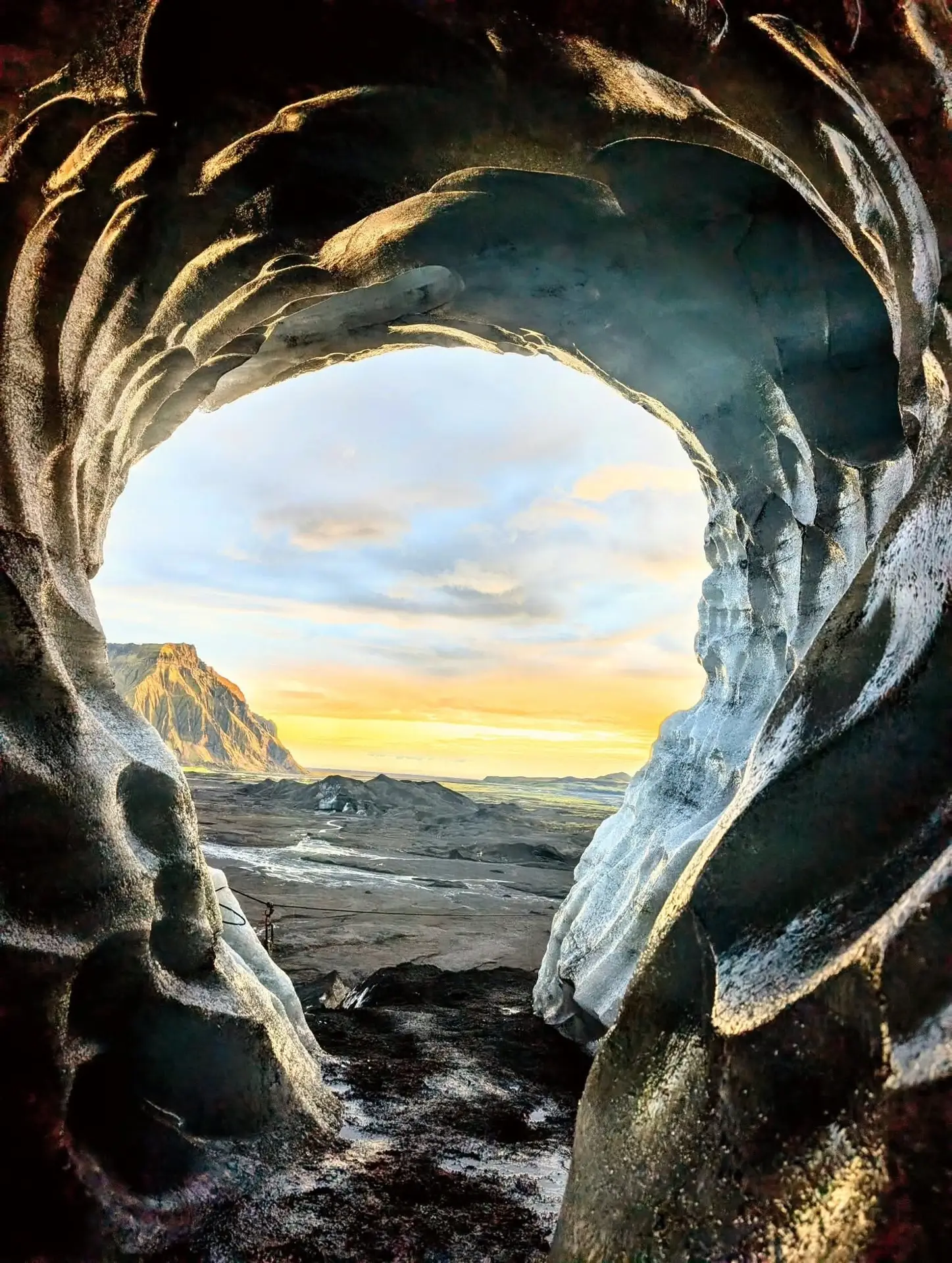
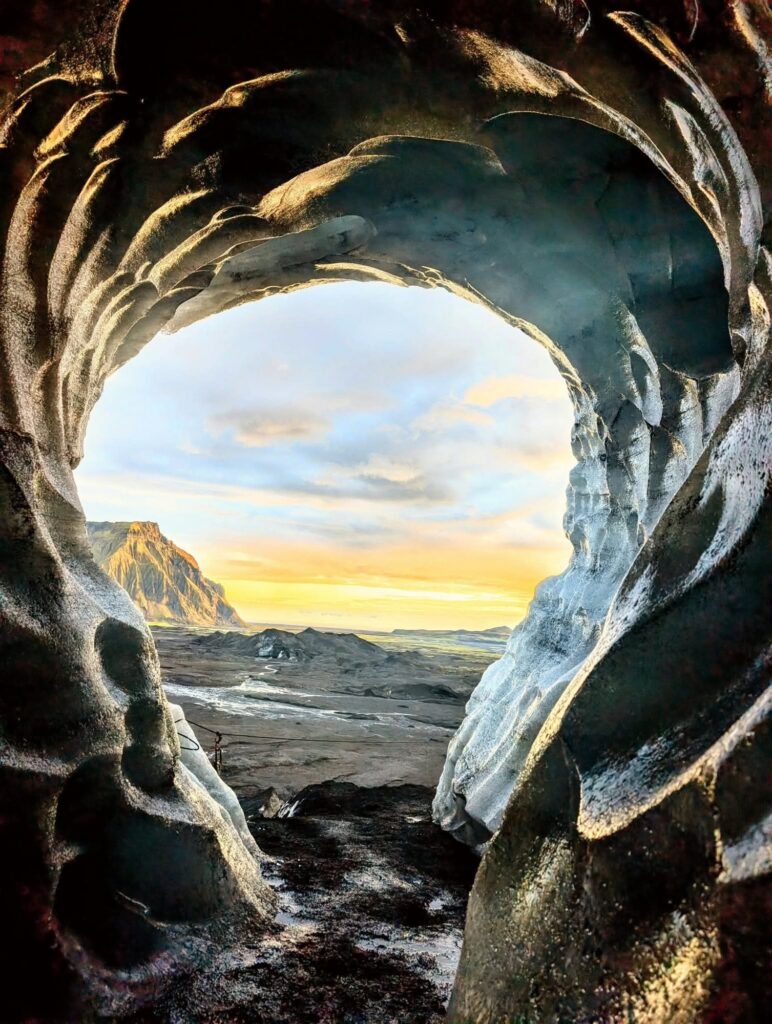
Exploring a natural ice cave is one of Iceland’s most memorable winter experiences.
Glacial ice can reveal extraordinary shades of blue, intricate patterns and translucent walls shaped by the movement of ice and meltwater. Every cave is different, and the formations change over time.
Our best selling Ice Cave at Katla glacier Many organised ice cave tours operate in the Vatnajökull region during the winter season, although specific caves and access points vary from year to year.
Important: Ice caves are dynamic natural environments. Always visit with a qualified glacier guide, follow safety instructions and never enter an ice cave independently.
Discover Iceland’s spectacular waterfalls

Iceland’s waterfalls are impressive in every season, but winter can give them an especially dramatic atmosphere.
Popular stops include:
- Seljalandsfoss: A famous South Coast waterfall that can be particularly beautiful in winter light. Access behind the waterfall may be closed or unsafe in icy conditions.
- Skógafoss: A powerful waterfall surrounded by steep cliffs, with the possibility of snow and ice creating a striking scene.
- Gullfoss: One of Iceland’s best-known waterfalls, located on the Golden Circle route.
- Öxarárfoss: A picturesque waterfall within Þingvellir National Park.
Winter walking paths can be slippery, and access may be restricted when conditions deteriorate. Wear footwear with good grip and follow local signs.
Visit the Golden Circle
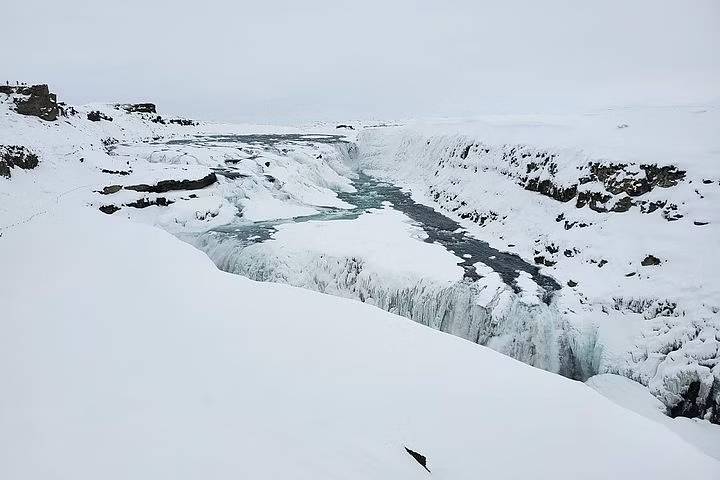
The Golden Circle is one of the most popular sightseeing routes in Iceland and a fantastic option for a first winter visit.
The classic route includes three major attractions:
Þingvellir National Park
A UNESCO World Heritage Site known for its geological features, historical significance and landscapes associated with the boundary between the North American and Eurasian tectonic plates.
Geysir geothermal area
A geothermal landscape of bubbling hot springs and steaming ground, including Strokkur, which regularly erupts and sends hot water into the air.
Gullfoss waterfall
A powerful, two-tiered waterfall on the Hvítá river, surrounded by a landscape that can look spectacular in winter.
The Golden Circle is often possible as a day trip from Reykjavík, but winter travel times can be longer than expected. Avoid overloading the day with too many additional stops.
Relax in Iceland’s geothermal lagoons
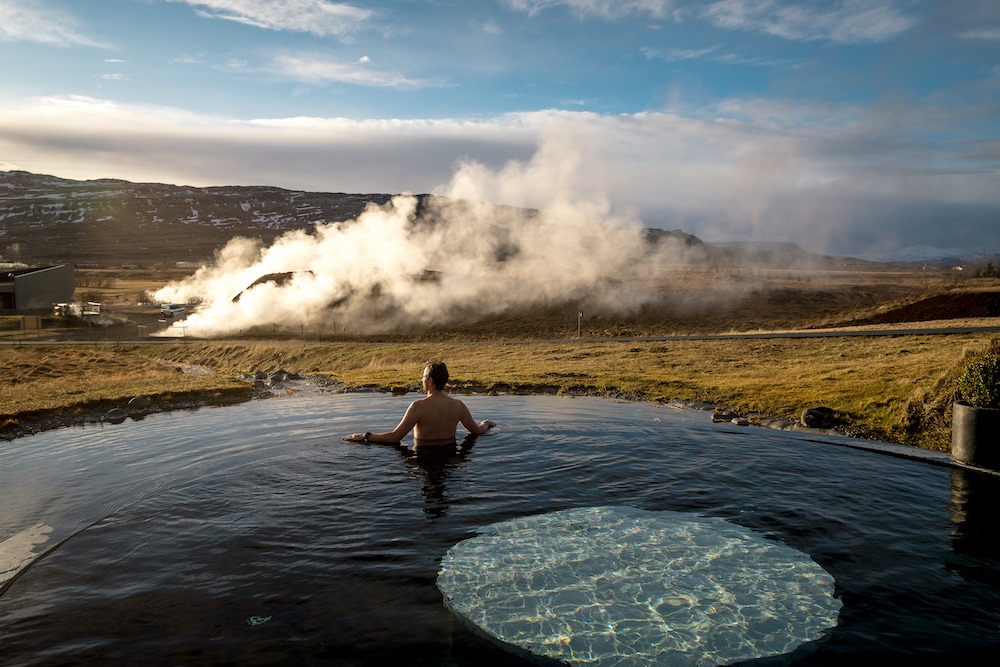
Few experiences are more quintessentially Icelandic than relaxing in naturally heated water while the air around you is cold.
Geothermal bathing is an excellent way to balance outdoor adventures with rest and relaxation.
Popular options include:
- Sky Lagoon: A geothermal bathing experience near Reykjavík.
- Blue Lagoon: A well-known geothermal spa in the Reykjanes Peninsula area, subject to current operating conditions and any relevant safety restrictions.
- Laugarvatn Fontana: A newly renovated geothermal bathing facility on the Golden Circle route.
- NEW FOR 2026 Laugarás Lagoon A stunning lagoon nested in the Golden Circle
- NEW FOR 2026 Reykjaböð Hot Springs perfectly located both on the Golden Circle & South Coast routes
- Local swimming pools: A wonderful way to experience everyday Icelandic culture, with heated outdoor pools, hot tubs and a relaxed local atmosphere.
Book popular spas in advance, particularly during holiday periods. Always check current opening arrangements and any regional safety guidance before visiting the Reykjanes Peninsula.
Explore Iceland’s black sand beaches
Iceland’s volcanic beaches are famous for their black sand, striking rock formations and powerful Atlantic waves.
Víkurfjara, near Vík on the South Coast, is among the most recognisable. Its seas stacks and dramatic coastline create a remarkable setting for winter photography.
However, these beaches can be dangerous. Sneaker waves can surge much farther up the shore than expected, and strong winds and slippery surfaces increase the risks.
Stay well back from the water, obey warning signs and never turn your back on the waves.
Go whale watching
Whale watching can be possible in Iceland during winter, although the species encountered, departure locations and tour schedules vary by season.
Reykjavík and North Iceland are among the areas offering whale-watching excursions, subject to weather and sea conditions.
If whale watching is important to your trip, check which operators are running during your dates and build flexibility into the itinerary.
Experience a glacier adventure
Guided glacier walks and other glacier experiences can offer a closer look at Iceland’s immense ice landscapes.
Depending on the location, conditions and operator, visitors may be able to explore glacial terrain, learn about ice formation and enjoy extraordinary mountain views.
Choose a reputable operator that supplies the appropriate equipment and provides professional safety guidance.
Discover Reykjavík in winter
Winter is an excellent time to explore Iceland’s capital between countryside adventures.
Highlights include:
- Hallgrímskirkja church and its panoramic city views, when the tower is open.
- Harpa Concert Hall and its distinctive architecture.
- Reykjavík’s cafés, bakeries and restaurants.
- Museums and galleries exploring Icelandic history, art and culture.
- The Old Harbour and the city’s colourful streets.
- Local swimming pools and geothermal bathing experiences.
Reykjavík is also a useful base for travellers who prefer to take guided day trips rather than drive themselves in winter.
4. The best places to visit in Iceland in winter
Choosing where to go is one of the most important decisions when planning a winter holiday in Iceland.
Distances can be deceptive, and winter weather may make some journeys significantly slower. Rather than attempting to see the entire country in a few days, focus on a manageable region or combine several areas with enough time to travel safely.
Reykjavík: The best base for a short winter break
Reykjavík is an excellent starting point for a first trip to Iceland.
The capital offers accommodation, restaurants, museums, shopping and convenient access to the Golden Circle and parts of the South Coast.
For a three- or four-day trip, staying in Reykjavík and taking selected day tours can reduce the need to change hotels and navigate unfamiliar winter roads.
The Golden Circle: Classic Icelandic landscapes
The Golden Circle combines geology, geothermal activity and dramatic scenery in a relatively compact sightseeing route.
It is particularly well suited to travellers who want to see some of Iceland’s most famous attractions without committing to a long road trip.
Allow extra time in winter and be prepared to shorten the route if weather or road conditions deteriorate.
The South Coast: Waterfalls, glaciers and black sand beaches
The South Coast is one of the most rewarding regions to explore in winter.
Depending on your itinerary and conditions, highlights may include Seljalandsfoss, Skógafoss, Vík, Reynisfjara and glacier viewpoints.
Travellers with more time can continue towards Skaftafell and the Jökulsárlón glacier lagoon area, although this requires considerably more driving.
For an overnight journey towards Jökulsárlón, it is generally better to stay along the route than to attempt the entire round trip from Reykjavík in one day.
Snæfellsnes Peninsula: Iceland in miniature
The Snæfellsnes Peninsula offers an impressive variety of scenery, including mountains, coastal cliffs, fishing villages and volcanic landscapes.
Kirkjufell is one of the area’s most recognisable landmarks.
Snæfellsnes can be a rewarding addition to a longer winter itinerary, but conditions on the peninsula can be exposed to wind and changing weather. Check access and forecasts before setting out.
North Iceland: Snowy landscapes and quieter destinations
North Iceland offers a different winter atmosphere, with destinations such as Akureyri, Lake Mývatn and the surrounding volcanic landscapes.
It can be an excellent choice for travellers interested in winter scenery, local culture and Northern Lights opportunities.
However, reaching North Iceland from Reykjavík requires a substantial journey, and winter road conditions may affect travel times. Consider flying domestically where appropriate or planning a dedicated regional itinerary.
Can you drive the entire Ring Road in winter?
It is possible to travel around Iceland’s Ring Road in winter, but it is not always advisable for every visitor or every itinerary.
The Ring Road covers approximately 1,300 kilometres and connects many of the country’s main regions. Winter storms, temporary road closures, limited daylight and difficult driving conditions can make a full circuit challenging.
For a winter holiday in 2027, avoid planning the Ring Road around the minimum number of days it might take under ideal conditions. Build in spare time, choose overnight stops carefully and be prepared to change your route.
For a short holiday, focusing on Reykjavík, the Golden Circle and the South Coast is often a more comfortable and realistic option.
5. A suggested 5-day Iceland winter itinerary for 2027
If you are visiting Iceland for the first time, five days can provide an excellent introduction to the country’s winter landscapes.
This itinerary is a starting point rather than a fixed schedule. Exact routes, stops and overnight locations should be adjusted according to daylight, weather, road conditions and activity availability.
Day 1: Arrive in Iceland and explore Reykjavík
Arrive at Keflavík International Airport and arrange a private airport transfer to Reykjavík.
Depending on your arrival time, explore the city centre, visit Hallgrímskirkja, enjoy a relaxed lunch and discover the harbour area.
Spend the evening enjoying Icelandic cuisine or visiting a geothermal spa.
If skies are clear and aurora activity is favourable, consider looking for the Northern Lights.
Overnight: Reykjavík.
Day 2: The Golden Circle
Explore Þingvellir National Park, the Geysir geothermal area and Gullfoss waterfall.
Depending on your interests and the day’s conditions, you may also be able to include a geothermal bathing experience.
Keep the schedule flexible, as daylight is limited and winter weather can affect driving times.
Overnight: Reykjavík or the Golden Circle region.
Day 3: Discover the South Coast
Travel along Iceland’s South Coast, stopping at selected waterfalls and scenic viewpoints.
Depending on the weather and available daylight, continue towards Vík to see its surrounding landscapes and black sand coastline.
This is the perfect day to visit Gravel Travels Katla Ice Cave.
If you plan to travel farther east, consider staying overnight along the South Coast rather than returning to Reykjavík late in the evening.
Overnight: Vík or another suitable location along the route.
Day 4: Choose your winter adventure
Choose an activity that suits your interests and the conditions.
Options may include a guided glacier experience, a seasonal ice cave excursion, a relaxed geothermal bathing experience or additional South Coast sightseeing.
If you are staying farther east and travelling towards Skaftafell or Jökulsárlón, allow enough time for the journey and return or overnight arrangements.
Overnight: Based on your chosen route.
Day 5: Return towards Reykjavík and depart
Travel back towards Reykjavík or Keflavík, allowing generous time for the journey and airport check-in.
If your flight is later in the day, you may be able to include a short stop or a pre-booked spa visit, provided road conditions and timings permit.
For early-morning departures, an overnight stay near the airport or a pre-arranged private transfer may be the simplest option.
Planning tip: If you have five days, do not feel obliged to fit every major attraction into the trip. A smaller number of well-chosen experiences can make for a more enjoyable winter holiday.
6. Is it safe to drive in Iceland in winter?
Driving in Iceland during winter can be rewarding, but it requires preparation, experience and a willingness to change plans.
Roads may be icy or snow-covered, and strong winds can create dangerous conditions even when the route appears straightforward. Temporary closures and delays are possible.
The official SafeTravel Iceland winter-driving guidance recommends checking weather and road conditions, using a suitable vehicle and adjusting driving to the conditions.
Winter driving tips for Iceland
Check road and weather conditions every day.
Use Umferdin for road conditions and the Icelandic Meteorological Office for weather forecasts.
Choose a suitable vehicle.
Ensure your rental car is appropriate for your route and equipped for winter conditions. A four-wheel-drive vehicle can be helpful in some circumstances, but it does not eliminate the risk of skidding on ice.
Allow more time than your navigation app suggests.
Daylight is limited, visibility can deteriorate quickly and winter roads may require slower driving.
Do not continue into dangerous conditions.
If a storm develops or authorities advise against travel, stop somewhere safe and wait for conditions to improve.
Never underestimate the wind.
Strong gusts can make driving difficult and can damage vehicle doors. Hold doors securely when opening them.
Keep your plans flexible.
A waterfall, beach or mountain pass may be inaccessible on a particular day. Having alternative activities and overnight arrangements can make the difference between a stressful trip and a successful one.
Should you hire a group/ private driver or book a guided winter tour?
For travellers who are unfamiliar with snow, ice and winter driving, a private tour can offer a more relaxed alternative to self-driving.
With a private guided itinerary, you can focus on the scenery and experiences while your travel arrangements are planned around the route, daylight and prevailing conditions.
Private travel can be particularly useful for:
- Families with children or older travellers.
- Groups with different activity preferences.
- Visitors with limited time.
- Travellers who want to explore beyond Reykjavík without driving themselves.
- Photography enthusiasts who want a flexible sightseeing schedule.
A private tour cannot guarantee that roads will remain open or that every activity will operate. However, a well-planned itinerary can allow for more flexibility when conditions change. Reach out to us and we can help plan the perfect trip for you.
7. What should you pack for Iceland in winter?
The secret to enjoying Iceland in winter is dressing for changing conditions rather than relying on one very thick coat.
You may experience rain, wind, snow, sunshine and cold temperatures within a single day. Waterproof outer layers and warm clothing are essential.
Essential winter packing list
Clothing
- Thermal base layers.
- Warm fleece or wool mid-layers.
- Insulated winter jacket.
- Waterproof and windproof outer jacket.
- Waterproof trousers for outdoor activities.
- Warm hat, gloves and a neck warmer.
- Wool or thermal socks.
Footwear
- Waterproof walking boots with good grip.
- Warm, comfortable footwear for evenings.
- Traction aids where appropriate and permitted.
Useful extras
- Swimsuit for geothermal pools.
- Reusable water bottle.
- Sunglasses for bright snow and low winter sun.
- Portable phone charger.
- Camera, spare batteries and tripod if photographing the Northern Lights.
- Small daypack.
- Any necessary personal medication.
For specialist activities such as glacier walking and ice caving, check what equipment your operator provides before departure.
8. How many hours of daylight does Iceland have in winter?
Daylight is one of the biggest differences between winter and summer in Iceland.
In Reykjavík, daylight decreases towards the winter solstice in December and then gradually increases again. Exact sunrise and sunset times vary by date and location.
As a broad guide:
- November: Around 6–8 hours of daylight, depending on the date.
- December: Around 4–5 hours near the winter solstice.
- January: Daylight begins increasing noticeably through the month.
- February: Approximately 7–9 hours, depending on the date.
- March: Around 10–13 hours as spring approaches.
These figures are approximate and refer to Reykjavík; other regions and dates will differ.
How does limited daylight affect your itinerary?
During winter, it is important to plan your sightseeing around the available daylight.
For example, you might spend the morning visiting a waterfall, enjoy a scenic drive around midday and arrive at your accommodation before dark. Evenings can then be reserved for dining, geothermal bathing or Northern Lights viewing.
Avoid planning long driving days around the assumption that you can see every attraction along the way. In winter, a more relaxed itinerary is usually the better choice.
9. Is Iceland expensive to visit in winter?
Iceland can be an expensive destination, but careful planning helps you manage costs without sacrificing the experiences that matter most.
Your overall budget will depend on your travel dates, accommodation, transport, activities, dining choices and group size.
Accommodation
Prices vary according to location, season and property type. Reykjavík offers a wide range of options, while accommodation in smaller towns and rural areas may be more limited.
Book early for Christmas, New Year and popular winter travel periods.
Transport
Self-drive holidays involve vehicle rental, fuel, parking and insurance costs.
Private tours and transfers may have a higher upfront price than shared transport, but they can simplify logistics, especially for families and groups.
For groups travelling together, compare the total cost of private transport with the combined cost of individual excursions, rental vehicles and associated expenses.
Activities
Some experiences, such as exploring Reykjavík on foot, are inexpensive, while specialist glacier tours, ice cave excursions and premium geothermal spas can add significantly to your budget.
Prioritise the activities you most want to experience and leave room for spontaneous discoveries.
Food
Restaurants can be expensive, but you can manage costs by mixing restaurant meals with cafés, bakeries, supermarkets and accommodation with kitchen facilities.
Booking a few special dining experiences alongside simpler meals can be a good way to balance your budget.
Money-saving tip: Travelling outside the busiest festive periods, staying for several nights in one location and choosing a realistic route can help reduce unnecessary transport and accommodation costs.
10. Christmas and New Year in Iceland
If you are planning to visit in December 2027, Iceland offers a wonderful combination of winter scenery, local traditions and festive atmosphere.
Reykjavík is a popular base for Christmas and New Year, with seasonal events, restaurants, lights and cultural activities.
Icelandic Christmas traditions include the 13 Yule Lads, who visit children in the nights leading up to Christmas, and the stories of Grýla and the Christmas Cat.
New Year’s Eve is also a major celebration, with bonfires and spectacular fireworks in many communities. Local arrangements vary, and visitors should check the event schedule for their destination.
Things to know before booking a festive winter trip
- Reserve accommodation and popular restaurants early.
- Check holiday opening hours for museums, attractions and shops.
- Confirm transport arrangements well in advance.
- Allow extra flexibility around Christmas Day and New Year’s Day.
- Check the availability of tours and spas on your exact dates.
A private itinerary can be particularly helpful during the festive season, when you may want to combine sightseeing with special meals, seasonal events and reliable airport transfers.
11. Should you book a private Iceland winter tour?
A private winter tour offers a more personalised way to explore Iceland, particularly if you want to travel at your own pace or have specific interests.
Unlike a fixed group itinerary, a private trip can be designed around your dates, group size, accommodation preferences and priorities.
Who benefits most from a private tour?
Families: Build in breaks, shorter sightseeing days and activities that suit different ages.
Couples: Combine scenic experiences, cosy accommodation and geothermal bathing.
Small groups: Share transport and enjoy a more personal experience of Iceland.
Photographers: Allow extra time for landscapes, changing light and potential Northern Lights sightings.
Travellers with limited time: Focus on the experiences that matter most without trying to cover the entire country.
Why choose Gravel Travel for your Iceland winter holiday?
At Gravel Travel, we can help you plan a winter trip around your interests and travel requirements.
Whether you need private airport transfers, a guided sightseeing day or a bespoke multi-day itinerary, the aim is to make exploring Iceland more straightforward and enjoyable.
A well-designed winter itinerary should consider:
- Your arrival and departure times.
- The length of your stay.
- Your preferred destinations and activities.
- The needs and abilities of your group.
- Realistic driving distances and daylight.
- Seasonal activity availability.
- Alternative plans for difficult weather.
Winter in Iceland rewards travellers who leave room for the unexpected. The right balance of planning and flexibility allows you to enjoy the experience without feeling that every hour must follow a rigid schedule.
Ready to start planning? Visit graveltravel.is to discuss the perfect Iceland winter trip for 2027.
12. Frequently asked questions about winter in Iceland 2027
Is winter 2027 a good time to visit Iceland?
Yes. Winter 2027 can be an excellent time to visit if you want to experience the Northern Lights, seasonal ice caves, geothermal bathing and dramatic winter scenery. The best month depends on your priorities, and weather conditions will influence what is possible during your trip.
What is the best month to visit Iceland in winter?
February and March are attractive options for travellers who want a balance of winter landscapes, Northern Lights opportunities and increasing daylight. December is ideal for festive experiences, while January offers long nights and an atmospheric winter setting. No month guarantees snow or Northern Lights sightings.
Can I see the Northern Lights in Iceland in 2027?
Yes, the Northern Lights may be visible during the darker months, generally from late August or September until April. Sightings depend on darkness, solar activity, cloud cover and local conditions. Plan for several evenings if seeing the aurora is important to you.
Does it snow in Reykjavík in winter?
Snow is possible in Reykjavík during winter, but the city does not remain consistently snow-covered. Conditions can alternate between snow, rain, wind and milder periods. Snow is generally more likely in some inland and northern areas, but conditions vary.
Can I drive around Iceland in winter?
Yes, but a winter Ring Road trip requires careful planning, experience and flexibility. Snow, ice, storms and temporary road closures may affect the route. Travellers who are unfamiliar with winter driving may prefer guided tours or private transport.
Is five days enough to visit Iceland in winter?
Five days is enough for a rewarding introduction to Iceland, especially if you focus on Reykjavík, the Golden Circle and selected South Coast destinations. A longer trip allows more time for the east of Iceland, North Iceland or the Snæfellsnes Peninsula.
Are ice caves open in winter 2027?
Many natural ice cave excursions operate seasonally, but the caves, dates and access arrangements depend on glacier conditions and operator safety assessments. Check current availability before booking and only visit with a qualified guide.
What is the best way to get from Keflavík Airport to Reykjavík in winter?
You can use a scheduled airport transfer, taxi or pre-booked private transfer. A private transfer is especially convenient for families, groups, travellers with substantial luggage or visitors arriving on early-morning flights.
Is Iceland suitable for children in winter?
Yes. Families can enjoy waterfalls, geothermal pools, museums, scenic sightseeing and other age-appropriate experiences. The key is to plan realistic days, dress children warmly and choose activities that suit their ages and comfort levels.
What happens if the weather is bad during my Iceland winter holiday?
Some excursions may be delayed, changed or cancelled if conditions become unsafe. Keep your itinerary flexible, monitor official forecasts and road information, and follow your operator’s safety advice. Avoid travelling on closed roads or continuing into dangerous weather.
Should I book an Iceland winter holiday in advance?
Booking ahead is recommended for popular accommodation, private tours, airport transfers and specialist excursions, particularly around Christmas, New Year and school holidays. Advance planning gives you more choice, although your itinerary should still allow for weather-related changes.
Final thoughts: Plan your Iceland winter adventure for 2027
Winter in Iceland is a season of extraordinary contrasts: dark skies illuminated by the Northern Lights, glaciers shaped by centuries of ice, steaming geothermal pools and coastlines that feel wonderfully wild.
The key to a successful winter holiday is not trying to see everything. It is choosing the right destinations, allowing enough time to explore and being prepared to adapt when the weather changes.
Whether you dream of watching the aurora dance above a quiet countryside landscape, exploring a natural ice cave or discovering Iceland’s famous waterfalls, a thoughtfully planned itinerary can help you make the most of your time.
For a more personal way to experience the country, Gravel Travel can help you arrange private transfers, guided sightseeing and a tailor-made winter itinerary built around your group and interests.
Start planning your Iceland winter holiday for 2027 with Gravel Travel.
Discover Iceland at your own pace, with a little more flexibility and a lot more room for adventure.
Essential resources for planning your trip
Before travelling, check these official resources for current information:
- Visit Iceland – destination inspiration and travel information.
- Gravel Travel – let our expert team advise you planning your trip every step of the way.
- SafeTravel Iceland – safety advice, alerts and travel guidance.
- Icelandic Meteorological Office – weather forecasts and Northern Lights information.
- Umferdin – current road conditions and closures.
Always confirm activity availability, opening hours and access arrangements for your travel dates.
We cannot wait to see you this winter and be part of your Iceland adventure!